
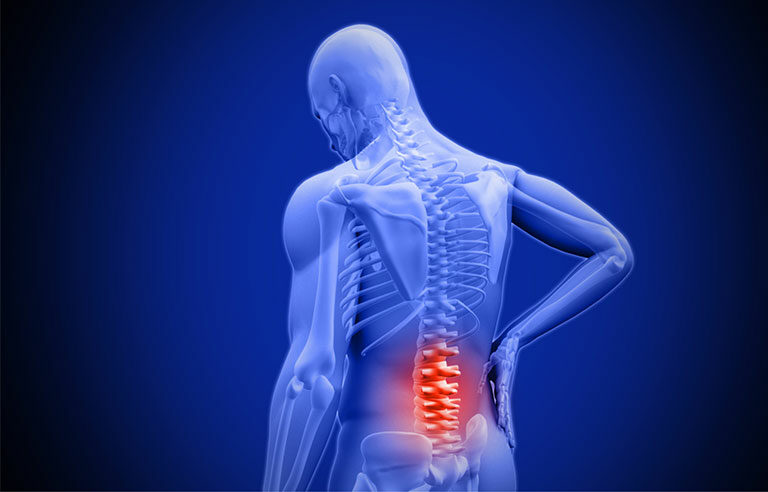
Chronic back pain refers to pain or discomfort in the back that lasts longer than 12 weeks, even after the original injury, strain, or underlying condition has been treated. Unlike acute back pain, which usually improves within a short period, chronic back pain tends to persist or recur, often becoming a long-term health concern.
This condition can affect individuals of all age groups, though it is more common in adults due to lifestyle factors such as prolonged sitting, poor posture, repetitive strain, obesity, and lack of physical activity. Chronic back pain may involve the lower back (lumbar spine) most frequently, but it can also affect the mid-back (thoracic spine) or upper back and neck (cervical spine).
Beyond physical discomfort, chronic back pain has a significant impact on daily functioning and emotional well-being. It may interfere with routine activities, work performance, sleep quality, and social life. Many patients experience associated issues such as fatigue, stress, anxiety, or depression due to ongoing pain and limited mobility.
Effective management of chronic back pain requires a comprehensive and individualized approach. Treatment focuses not only on relieving pain but also on identifying the underlying cause, improving spinal stability and flexibility, restoring normal movement, and preventing future episodes. With timely medical evaluation, appropriate therapy, lifestyle modifications, and patient education, most individuals can achieve meaningful pain relief and improved quality of life.
The back (spine) is made up of:
Vertebrae (bones)
Intervertebral discs (shock absorbers)
Facet joints
Spinal cord and nerves
Muscles and ligaments
Problems in any of these structures—especially in the lumbar (lower back) region—can lead to chronic pain.
Common causes include:
Degenerative disc disease
Herniated or bulging discs
Muscle strain or ligament injury
Spinal stenosis
Osteoarthritis of the spine
Poor posture or prolonged sitting
Obesity and lack of physical activity
Previous injury or surgery
Persistent dull or sharp back pain
Pain radiating to legs or buttocks (sciatica)
Stiffness, especially in the morning
Muscle spasms
Reduced flexibility and mobility
Pain worsened by sitting, standing, or bending
Diagnosis typically involves:
Medical history and physical examination
X-rays to assess bones and alignment
MRI or CT scan to evaluate discs, nerves, and soft tissues
Blood tests (if infection or inflammatory disease is suspected)
Treatment is usually stepwise, starting with conservative care.
Medications: Pain relievers, anti-inflammatory drugs, muscle relaxants
Physiotherapy: Strengthening, stretching, posture correction
Lifestyle changes: Weight control, ergonomic adjustments
Heat and cold therapy
Pain management techniques: Nerve blocks, epidural steroid injections
Alternative therapies: Yoga, acupuncture (when appropriate)
Surgery is considered when conservative treatment fails or if there is nerve damage.
Discectomy (removal of herniated disc portion)
Laminectomy (relieving pressure on nerves)
Spinal fusion
Minimally invasive spine procedures
Early mobilization as advised
Structured physiotherapy program
Pain control and wound care
Gradual return to daily activities
Long-term posture and core-strength training
Persistent pain
Nerve injury (rare)
Infection or bleeding
Reduced spinal flexibility (after fusion)
Recurrence of symptoms
Most patients experience significant improvement with proper treatment and lifestyle changes. Early intervention and adherence to rehabilitation greatly improve outcomes.
Seek medical attention if:
Pain lasts more than a few weeks
Pain radiates to legs or causes numbness
Weakness or difficulty walking develops
Pain follows trauma or injury
Bladder or bowel control problems occur (medical emergency)
Chronic back pain is a manageable condition with a multidisciplinary approach involving medication, physiotherapy, lifestyle modification, and—when necessary—surgical treatment. Early diagnosis, patient education, and consistent follow-up are key to long-term relief and improved quality of life.
Explore More:
WhatsApp us